- third brain studio
- Posts
- The Monthly Dose: Humans
The Monthly Dose: Humans

Janna Kimel
November 06, 2025
New brand? Yup. Well, old brand really. I’ve worked under the third brain studio, llc brand for a number of years, going back to my roots in technology, healthcare, innovation, research and design. (see what I did there?)
Oh, The Humanity: Why I Still Love User Research
The Tech Trap: Why AI and Sensors Aren't Enough
We are building the future of health tech, complete with AI algorithms and VR pain systems, but here is the critical secret that’s often missed: It's not about the technology. It's about the patient with an acute ailment, a provider treating a patient with a chronic condition, or an individual caring for someone who is ill. It’s about all of the people at home alone at 3 am, in the NICU or at a doctor’s office who need technology to work for them at all times and in all situations.
People, combined with technology, can be a powerful thing. When working at a diabetes company, I learned that Providers had specific ways they read reports, so any changes we made had to be done carefully. Patients were getting data, but they weren’t always clear on what it meant or what to do with it. Some found it overwhelming, others wanted more. Parents loved the continuous glucose monitors because they could finally sleep through the night knowing their child was being monitored, but those same alarms that provided peace of mind couldn't go off during a movie or job interview. Designing for the humans using the technology is equally, if not more important than designing the technology itself.
This is why I love user research and it’s what keeps me doing this work.. I remember people who cried telling me about deceased family members when I interviewed them about redesigning a website. People poured out their frustrations when we changed how insurance covered physical therapy. A blind person reached out to tell us how difficult our product was to use - especially humbling since so many people with diabetes end up with vision issues. These are real people trying to feel better and improve their quality of life yet they are kind enough to take the time to tell us what's working and what's not. Those of us who spend 40 hours a week on these complex problems forget what it's like to start using technology from scratch, with no knowledge. We must talk to these individuals, these humans, to get that perspective.
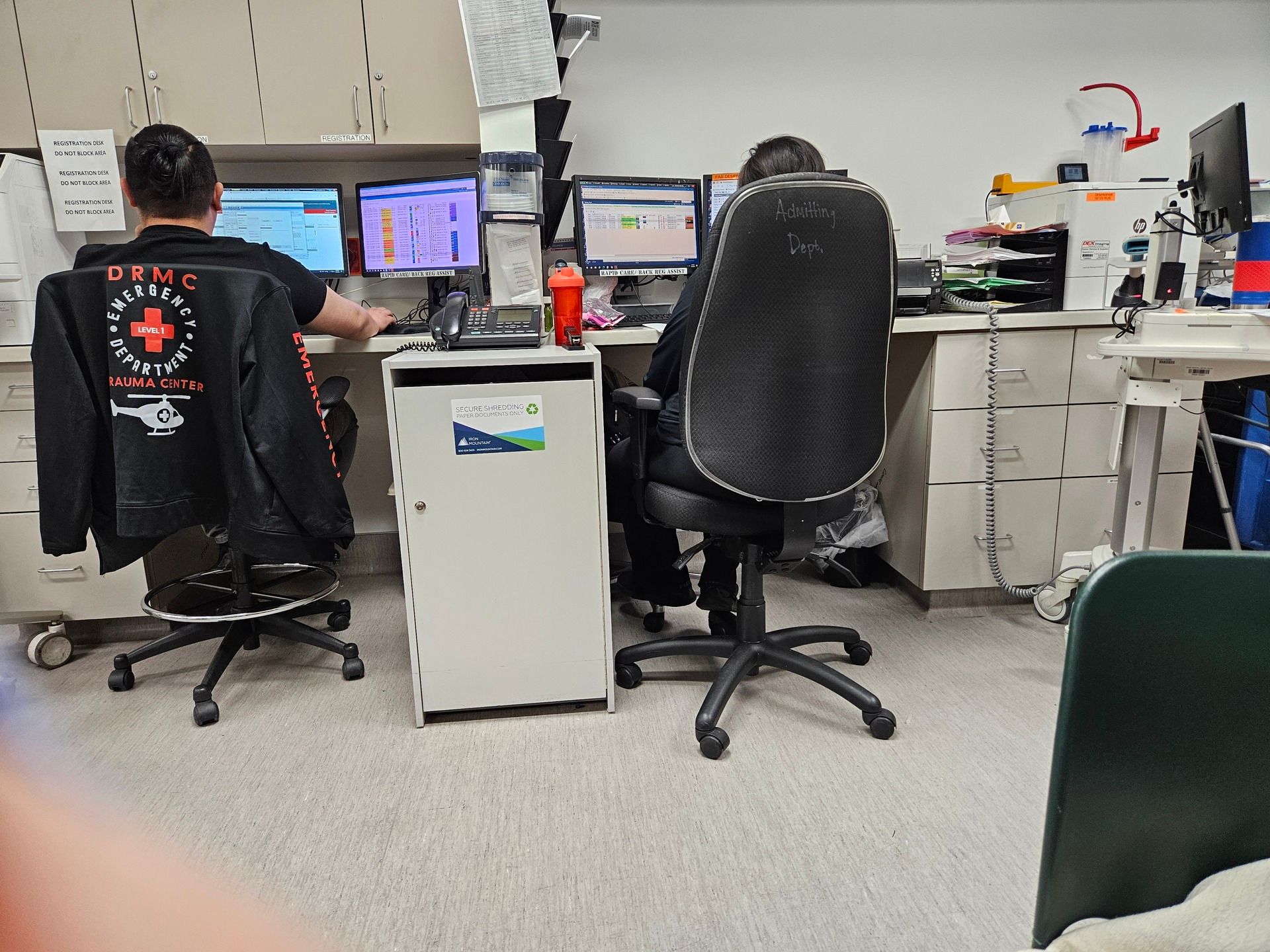
The Stories That Keep Us Going
The problem with the current health tech landscape - all the AI, sensors, and VR for pain management - is that companies miss the nuances and context when they don't put people at the center. You can QA a piece of technology, make sure it does what it was designed to do, but hand that same technology to a real person and they're going to do unexpected things, see things in unexpected ways. They might be distracted by a crying baby, fighting a migraine and unable to focus or missing a digit or limb that makes the technology harder to use. None of those things arise when we're running software or hardware through QA testing without an actual user.
The Solution: Prioritize Context, Not Code
To those building pain management tools, diabetes technology, or other healthcare products, I recommend prioritizing context. Is your product being used in the middle of the night or in the light of day? If it's being used when a person is in pain, your UI should account for that. Technology doesn't solve healthcare problems - people using technology solve those problems. And that only works if we design for the reality of their lives, not the ideal conditions of our testing labs.
User research should be a reality check. It should be as real world as possible in real-world circumstances with real people. We have a shared moral obligation to build technology that works in the most difficult moments of a person's life. Design for their reality, or you are failing to solve the problem.
If you want to talk with humans to learn more about their experience with your product or service - drop me a line.
Fun stuff about humans (and 1 dog)
StoryCorps (https://storycorps.org/)
This website is dedicated to recording, preserving, and sharing the stories of everyday people from all backgrounds and beliefs. It offers a rich tapestry of genuine human experiences, from love and loss to moments of profound connection. The focus is on authentic conversation and narrative, providing insight into the diverse lives that make up humanity.Atlas of Humanity (https://www.atlasofhumanity.com/)
Atlas of Humanity is a non-political, collaborative project featuring photography from contributors worldwide. It is designed to be a visual and cultural atlas that showcases the world's diverse populations, traditions, and ways of life, highlighting the commonalities and differences that define the global human experience through powerful imagery and documentation.Mental Floss: (https://www.mentalfloss.com) This website provides an entertaining mix of facts, history, science, and pop culture. It features fun lists and "big questions" that explore all sorts of quirky and stimulating information about human behavior and the world we live in.
Pug in a Rug (https://puginarug.com/)
One oddly mesmerizing pug…you guessed it….in a rug.
Visit www.thirdbrainstudio.com to find out more about how I can support your organization